States and Cities Move to Ban Crypto Kiosks Over Scams
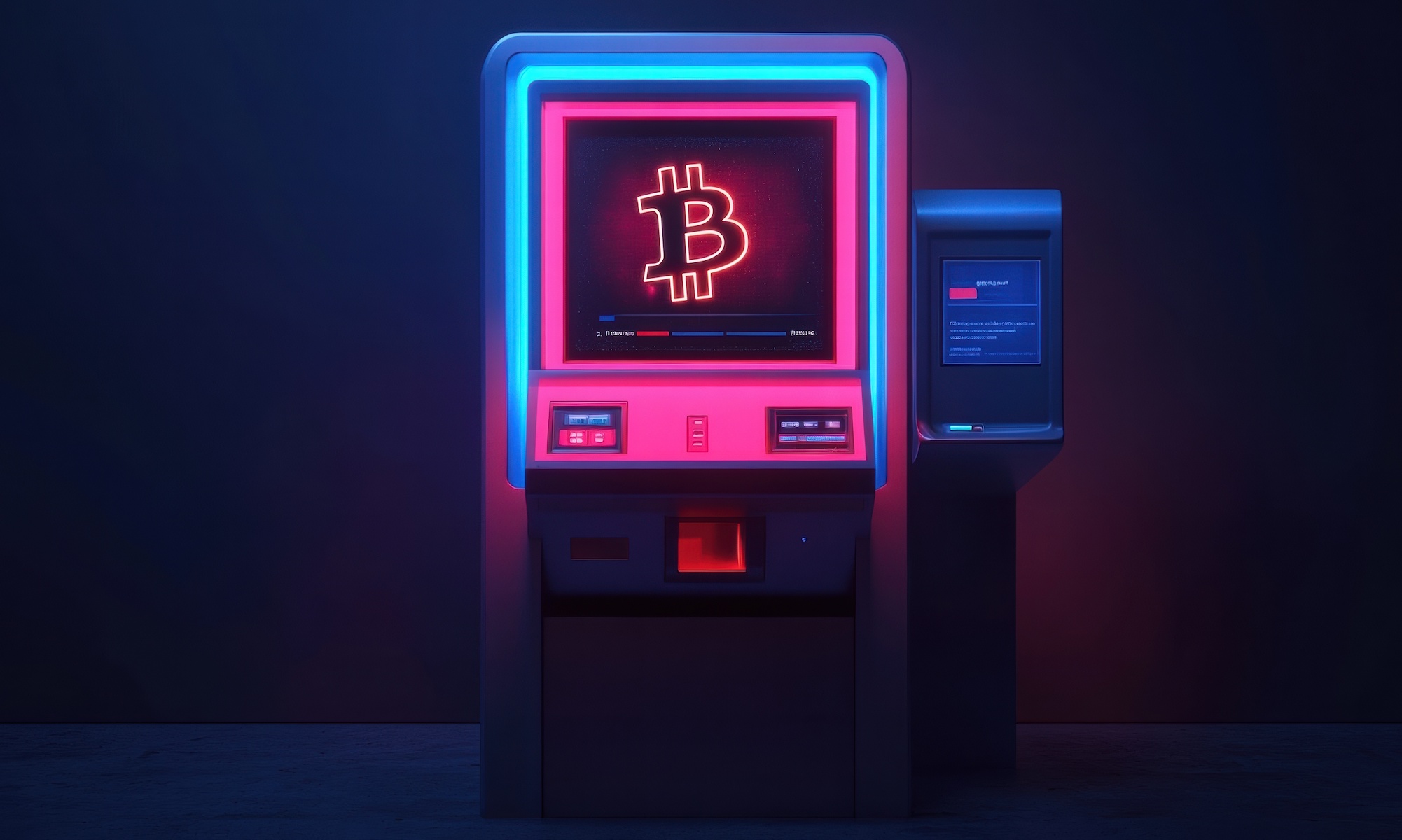
States and cities are moving to ban cryptocurrency kiosks after a rise in fraud cases. Lawmakers say these physical machines make it too simple for criminals to trick everyday people. New rules could shut down kiosks in many neighborhoods to keep users safe from scams.
Why are officials targeting cryptocurrency kiosks?
Many local leaders want cryptocurrency kiosks gone because scammers use them to steal cash quickly. Criminals often call victims on the phone and pretend to be government workers or police officers. They tell the person to withdraw cash from a bank and put it straight into a local kiosk to buy Bitcoin or other tokens. Once the money enters the kiosk, it goes right to the scammer, and the victim cannot get it back.
Regular banks have staff members who can spot fraud and stop a panic payment before it happens. Crypto kiosks stand alone in gas stations, convenience stores, and grocery shops with no worker to check on the user. Because of this, bad actors see kiosks as an easy way to move stolen cash without getting caught. Officials believe a complete ban might be the only sure way to protect residents.
What does a ban mean for regular buyers?
If these bans pass, buying digital coins with paper money will become much harder. People who use kiosks often do not have traditional bank accounts, or they just want a fast way to turn bills into crypto. A local ban means these users must switch to online apps or regular exchanges to trade.
Here is what changes when cities remove these machines from retail shops:
- Shoppers will no longer see cash-to-crypto machines in corner stores and gas stations.
- People must use bank accounts or debit cards on web platforms to purchase coins.
- Scammers lose a common tool they use to take fast cash from senior citizens.
- Kiosk operators must remove their equipment or face legal fines from the city.
How do cryptocurrency kiosks work during a scam?
A kiosk looks just like a normal bank ATM, but it connects to digital networks instead of a checking account. A user feeds paper money into the slot and scans a digital address barcode on the screen. The machine takes the bills and instantly transfers coins to that specific wallet address. Scammers send their own barcode to the victim, so the coins go straight into the criminal's private wallet.
Because blockchain payments are final, no bank manager can reverse the charge or cancel the transfer. Victims only realize they lost their savings after the kiosk prints a simple receipt. Police departments find it very hard to track down these funds once they leave the kiosk. This permanent loss is the main reason city councils want the machines removed from public spots.
What to watch for next in your area
More towns and state leaders are likely to introduce similar rules in the coming months. Kiosk companies may try to fight these bans by adding extra warning screens or daily cash limits to their software. Some states might choose strict license rules instead of an outright ban to keep businesses open. You should watch your local city council meetings to see if your town votes to remove crypto kiosks soon.
For now, ordinary consumers must stay alert whenever someone demands payment through any type of kiosk. Legitimate businesses and public offices never tell people to pay fees or bills using a physical crypto machine. If a caller tells you to visit a kiosk right away, hang up the phone immediately and report the call to local police.


Comments
Post a Comment